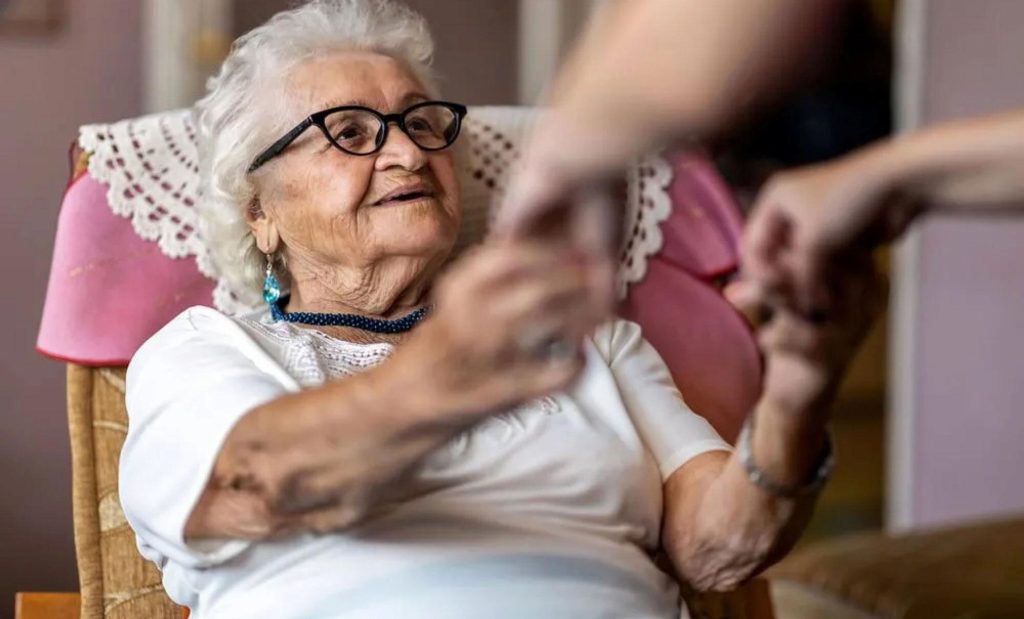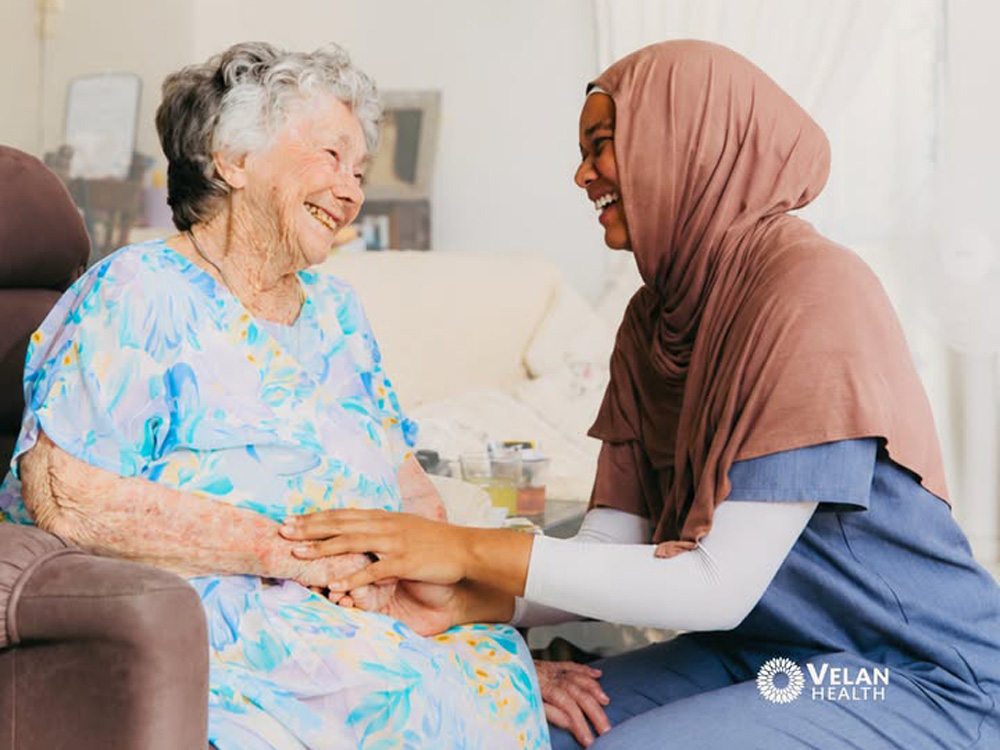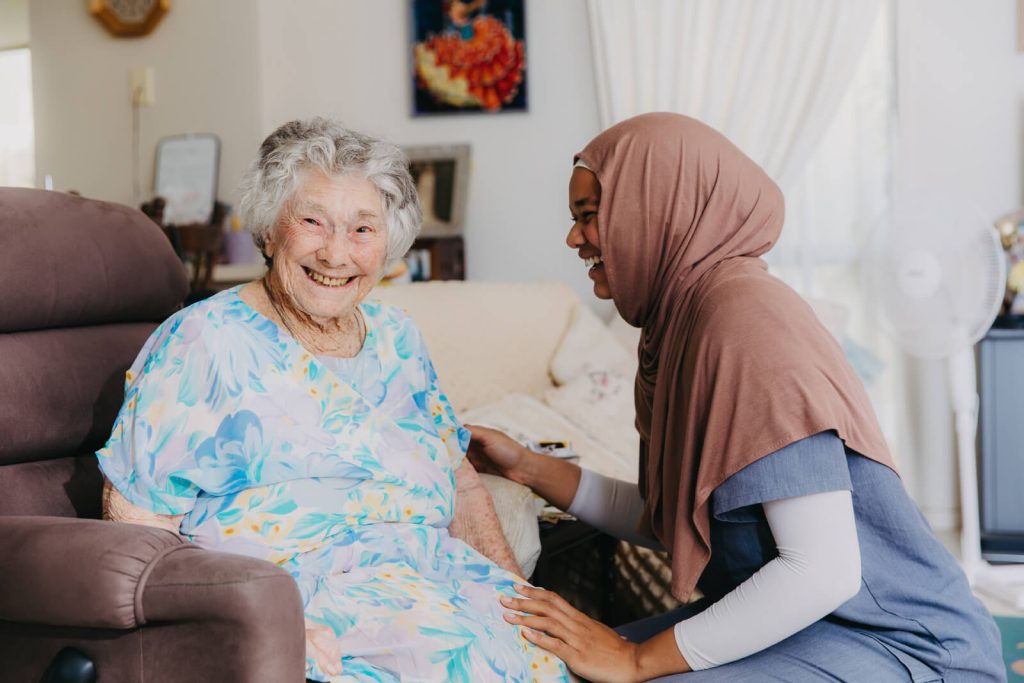
Growing older often changes more than a person’s physical health. Daily routines shift, social circles become smaller and simple conversations can become harder to come by. That’s why companionship sits at the heart of quality in-home support. While practical assistance matters, emotional wellbeing shapes how people feel day to day.
When searching for home care providers Gold Coast families are increasingly looking beyond household help and focusing on carers who bring warmth, consistency and genuine human connection into the home.
Companionship in home care isn’t just about passing time. It supports mental health, encourages independence and helps older adults stay connected to the world around them. A familiar face arriving each week can create comfort, structure and confidence, especially for seniors living alone.
More Than Assistance — Why Human Connection Matters
A home can quickly feel quiet after retirement, reduced mobility or the loss of a partner. Even seniors surrounded by family can experience loneliness between visits. Social isolation affects emotional wellbeing in powerful ways, often leading to low mood, anxiety and reduced motivation.
Professional carers often become an important part of a person’s routine because they offer:
- Conversation and emotional connection
- Encouragement to stay active and engaged
- Support during difficult life transitions
- Familiarity and consistency
- Social interaction that feels relaxed and natural
These interactions may sound simple, yet they have a strong impact on overall quality of life. A cup of tea shared at the kitchen table or a chat during a morning walk can brighten someone’s entire day.
Older adults who maintain social engagement often feel more confident in managing day-to-day life. They’re more likely to continue hobbies, attend appointments and remain involved in their local community. Emotional support also helps people feel heard and valued rather than isolated within their own home.
The Hidden Health Effects of Loneliness
Many families first seek home care after noticing physical challenges, but emotional wellbeing deserves equal attention. Research consistently links loneliness with declining health in older adults. Isolation can affect sleep, appetite, memory and energy levels. Over time, it may also contribute to depression and cognitive decline.
Companionship offers a protective layer against these challenges because regular interaction creates stimulation and routine. Seniors who engage in conversation and shared activities often maintain stronger communication skills and sharper mental awareness.
Carers commonly support emotional wellbeing through small but meaningful moments, such as:
- Listening to stories and memories
- Encouraging favourite hobbies
- Accompanying clients on outings
- Helping maintain social connections with family and friends
- Sharing meals or activities together
These moments build trust over time. A strong carer-client relationship often becomes one of the most reassuring parts of a person’s week.
Familiar Faces Create Comfort and Stability
Consistency matters deeply in home care. Older adults tend to feel more relaxed when they know who’s arriving at their door. Familiar carers learn routines, preferences and personality traits that help support comfortable daily living.
This sense of familiarity becomes especially important for people living with dementia or memory-related conditions. New faces and changing schedules can create confusion or distress, while regular companionship offers reassurance and stability. A trusted carer might know:
- Favourite daily routine – Helps maintain comfort and independence
- Preferred meals or hobbies – Encourages enjoyment and engagement
- Communication style – Reduces frustration and misunderstandings
- Family milestones or memories – Creates stronger emotional connection
These details shape care that feels personal rather than clinical. Families often notice their loved one becoming more relaxed, communicative and emotionally settled once consistent companionship becomes part of their routine.
Emotional Support Helps Seniors Stay Independent
Many older adults want to remain in their own home for as long as possible. Emotional wellbeing plays a major role in making that achievable. When people feel supported and socially connected, they’re often more motivated to maintain routines and participate in everyday activities.
Companionship encourages independence in practical ways too. A carer might motivate a client to:
- Take regular walks
- Attend community activities
- Prepare meals together
- Keep up with personal interests
- Stay connected with neighbours or relatives
Isolation can gradually reduce confidence. A person may stop leaving the house, lose interest in hobbies or avoid social situations altogether. Regular companionship interrupts that cycle by creating encouragement and accountability through gentle interaction.
Families often underestimate how powerful emotional support can be until they see the difference firsthand. A loved one who seemed withdrawn may suddenly become more talkative, energetic and engaged once meaningful connection returns to their routine.
Home Care Isn’t One-Size-Fits-All
Every person experiences ageing differently. That’s why quality companionship should feel flexible and individual rather than scripted or transactional.
For one client, companionship may involve gardening together each week. For another, it could mean support attending local events or simply having someone nearby during the day. The best carers adapt naturally to personality, interests and comfort levels.
Strong home care providers understand that emotional support looks different for everyone. Genuine companionship develops through patience, consistency and authentic conversation rather than rushing through a checklist of tasks.
Families Googling “home care providers near me” often focus on practical services first, yet emotional compatibility matters just as much. A carer who can build trust and rapport often becomes an invaluable source of comfort for both clients and their families.
The Family Benefits Often Go Unnoticed
Companionship doesn’t only support the older person receiving care. Families also experience enormous peace of mind knowing their loved one has regular social interaction and emotional support throughout the week.
Adult children frequently juggle work, parenting and caregiving responsibilities all at once. Even deeply involved families can struggle to provide consistent companionship every day. Professional carers help bridge those gaps while reducing emotional pressure on relatives.
Many families notice positive changes such as:
- Reduced stress about loved ones living alone
- Better communication and mood from the client
- Increased confidence in daily routines and wellbeing
- Less guilt surrounding busy schedules
- More enjoyable family visits without constant caregiving pressure
Rather than replacing family relationships, companionship strengthens them. Seniors who feel emotionally fulfilled through regular care often enjoy more relaxed, positive time with relatives too.
Small Conversations Can Have a Big Impact
Companionship doesn’t always involve grand activities or structured outings. In many cases, the smallest interactions create the greatest emotional impact.
A familiar carer asking about someone’s childhood memories or favourite football team can spark joy and connection. Shared laughter during a grocery trip or conversation over lunch may become a meaningful highlight in an otherwise quiet week.
These everyday moments help older adults maintain a sense of identity and belonging. They reinforce the feeling that someone genuinely cares about their wellbeing beyond basic physical support.
That emotional reassurance can become incredibly important after major life changes such as retirement, illness or bereavement. Feeling connected to another person helps reduce the emotional weight many seniors carry silently.
Choosing Care That Values Human Connection
Families exploring home care providers on the Gold Coast should look beyond schedules and service lists. Emotional support deserves equal consideration because companionship directly affects quality of life.
A compassionate carer brings empathy, patience and warmth into the home while helping clients maintain dignity and independence. Strong relationships between carers and clients often lead to better communication, improved emotional wellbeing and greater confidence in daily living.
When speaking with providers, families may benefit from asking:
- How do carers build long-term relationships with clients?
- Are carers matched based on personality and interests?
- How does the service support emotional wellbeing alongside practical care?
- Will clients see familiar carers regularly?
These conversations help families find support that feels personal rather than rushed or impersonal.
Companionship remains one of the most valuable parts of quality home care because genuine human connection shapes emotional health in lasting ways. For families seeking compassionate support from home care providers on the Gold Coast, Velan Health offers personalised in-home care focused on dignity, connection and meaningful daily interaction.
If you’re exploring care options for a loved one, contact us today and discover how consistent companionship can bring comfort, confidence and peace of mind into everyday life.